
Do I Need a Garage Door Tune-Up?
Yes, most homeowners should schedule a garage door tune-up at least once a year, even if their garage door appears to be working properly. Regular maintenance helps identify worn components, improve performance, and prevent unexpected breakdowns. If your garage door makes unusual noises, moves unevenly, or operates slowly, you may need a professional tune-up sooner.
Your garage door is one of the most frequently used mechanical systems in your home. Whether you’re leaving for work, running errands, or returning home, you depend on it to open and close safely every day. However, many homeowners don’t think about garage door maintenance until something stops working.
At Garage Door Technik, we believe preventive care is one of the best ways to keep your garage door functioning safely and reliably. Our team helps homeowners identify potential issues, maintain essential components, and address minor problems before they become major repairs. Whether your garage door is relatively new or has been operating for years, understanding when it needs attention can help you avoid unnecessary expenses and frustrating interruptions.
So, how do you know when it’s time for a garage door tune-up?
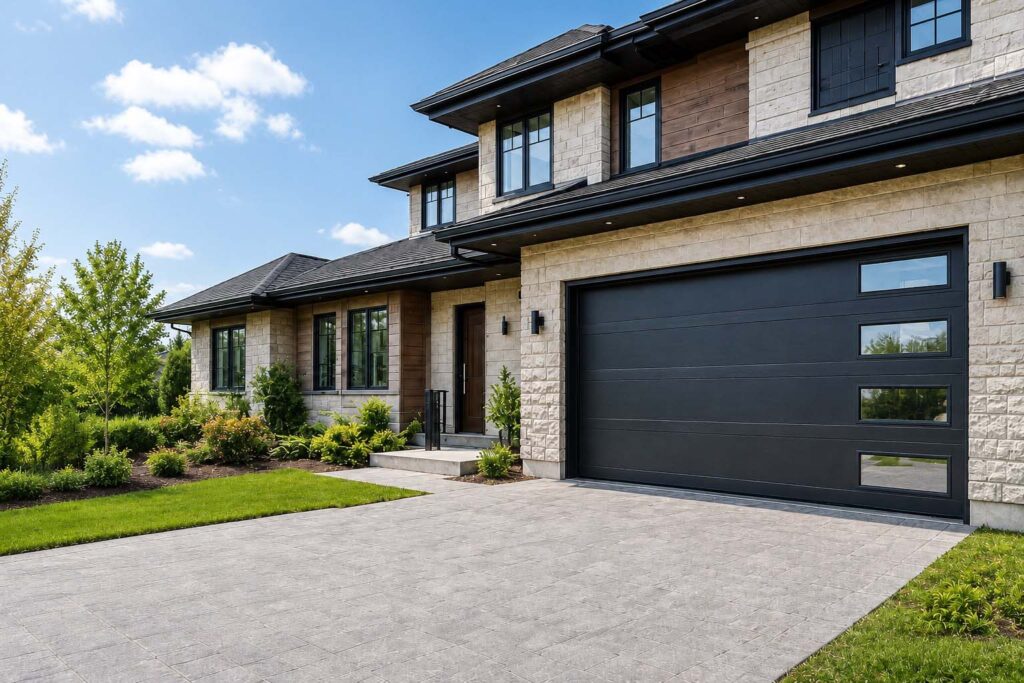
How to Know When Your Garage Door Needs Maintenance
A garage door doesn’t have to stop working completely to need professional attention. In fact, many garage door problems develop gradually, giving homeowners warning signs before a breakdown occurs.
Recognizing these signs and understanding the benefits of regular maintenance can help you determine when to schedule professional service.
1. What Are the Signs Your Garage Door Needs a Tune-Up?
Unusual noises, inconsistent movement, and slow operation are some of the most common signs that your garage door needs maintenance. Even if the door continues to open and close, these symptoms may indicate worn or improperly functioning components.
Watch for these warning signs:
- Grinding or squeaking noises: These sounds may indicate worn rollers, dry hinges, or other moving components that need attention.
- Slow operation: A garage door that opens or closes more slowly than usual may have mechanical or opener-related issues.
- Jerky or uneven movement: Shaking, hesitation, or uneven travel can indicate problems with rollers, tracks, or the counterbalance system.
- Loose or vibrating hardware: Repeated movement can loosen certain fasteners and contribute to additional wear.
- Difficulty opening or closing: A door that struggles to move smoothly may need professional inspection.
- Visible wear: Frayed cables, damaged rollers, rust, or deteriorating components should never be ignored.
If you notice any of these symptoms, scheduling a garage door inspection can help determine whether routine maintenance or a specific repair is necessary.
2. How Often Should You Get a Garage Door Tune-Up?
Most residential garage doors benefit from a professional tune-up once a year. However, the ideal maintenance schedule depends on how frequently you use your garage door, its age, and its overall condition.
According to the Door & Access Systems Manufacturers Association (DASMA), garage door systems should receive regular inspections and maintenance to support safe, reliable operation.
Some garage doors may need additional attention based on factors such as:
- Daily usage: A garage door used multiple times throughout the day experiences more wear than one used occasionally.
- Age: Older garage doors may have components that require closer monitoring.
- Environmental conditions: Dust, humidity, moisture, and temperature fluctuations can affect mechanical components.
- Previous repairs: Doors with a history of mechanical problems may benefit from more frequent inspections.
- Manufacturer recommendations: Specific garage door and opener models may have different maintenance requirements.
Even if your garage door appears to be operating normally, annual maintenance provides an opportunity to catch developing issues that may not be immediately noticeable.
3. What Happens During a Professional Garage Door Tune-Up?
A professional garage door tune-up typically includes inspecting, lubricating, testing, and adjusting essential components to help the system operate properly.
Garage doors contain numerous moving parts that must work together to safely lift and lower a heavy door. Over time, friction, vibration, and everyday use can affect their performance.
During a typical garage door maintenance appointment, a technician may perform the following services:
Inspect springs and cables
Garage door springs and lifting cables support the door’s weight and are essential for safe operation. A technician checks for visible wear, corrosion, or damage.
Lubricate moving components
Proper lubrication helps reduce friction and unnecessary noise. Technicians apply appropriate lubricants to designated components according to manufacturer guidelines.
Check rollers, tracks, and hinges
Worn rollers, damaged hinges, and track problems can interfere with smooth door movement. These components are inspected for potential issues.
Test garage door balance
A properly balanced garage door reduces unnecessary strain on the opener. Technicians evaluate whether the counterbalance system is functioning correctly.
Inspect safety sensors and reversal systems
Safety features help prevent the door from closing on people, pets, or objects. A professional inspection verifies that these systems respond appropriately.
Evaluate opener performance
The opener is checked for unusual sounds, inconsistent operation, and other signs of potential problems.
Because garage door springs and cables operate under significant tension, adjustments and repairs involving these components should always be left to trained professionals.
4. Is a Garage Door Tune-Up Worth It If Everything Works Fine?
Yes, a garage door tune-up can still be worthwhile even when your door seems to be working perfectly. Preventive maintenance focuses on identifying developing problems before they cause noticeable symptoms or equipment failure.
A garage door can continue operating while certain components gradually wear down. For example, rollers may become less effective, hardware may loosen, or the door may slowly lose its proper balance.
Without regular inspections, these issues can place additional strain on surrounding components.
Professional garage door maintenance offers several benefits:
- Fewer unexpected breakdowns: Identifying worn components early may help prevent sudden malfunctions.
- Longer equipment lifespan: Reducing unnecessary wear can help extend the useful life of certain parts.
- Improved safety: Routine inspections help identify potential hazards involving springs, cables, and safety systems.
- Quieter operation: Proper lubrication and maintenance can reduce noise caused by friction.
- Potential cost savings: Addressing minor issues early may help homeowners avoid more expensive repairs.
While a tune-up cannot guarantee that your garage door will never break down, it can help reduce the risk of preventable mechanical problems.
5. Can You Do a Garage Door Tune-Up Yourself?
Homeowners can perform basic garage door maintenance, but a complete tune-up is best handled by a qualified technician. Certain components, especially springs and cables, can be dangerous to adjust without specialized tools and training.
There are several simple things you can do between professional appointments:
- Listen for new or unusual sounds during operation.
- Visually inspect accessible components for obvious wear or damage.
- Keep the area around the garage door tracks clear of debris.
- Check weatherstripping for cracks or deterioration.
- Follow your manufacturer’s instructions for approved lubrication and safety testing.
Avoid loosening or adjusting springs, cables, bottom brackets, or other components connected to the counterbalance system.
If your garage door appears crooked, has a broken spring, or shows visible cable damage, stop using it and contact a professional.
Frequently Asked Questions About Garage Door Tune-Ups
Do garage doors really need annual maintenance?
Yes. Annual garage door maintenance is generally recommended to identify worn components, check safety features, and keep the system operating reliably. High-use garage doors may require more frequent inspections.
How long does a garage door tune-up take?
A typical garage door tune-up may take approximately 30 to 60 minutes, depending on the door’s condition and the services included. Additional repairs or adjustments can increase the appointment time.
How much does a garage door tune-up cost?
Garage door tune-up pricing varies based on the service provider, location, door condition, and included maintenance tasks. Requesting a detailed estimate helps you understand what the service covers and whether additional repairs are needed.
Should I get a tune-up or a garage door repair?
A tune-up is appropriate for routine preventive maintenance and minor performance concerns. If your garage door has a broken spring, damaged cable, severe track damage, or cannot operate safely, professional repair is necessary.
Keep Your Garage Door Running Smoothly With Garage Door Technik
Your garage door works hard every day, and a little preventive care can go a long way toward keeping it dependable.
Whether you’ve noticed unusual noises, experienced inconsistent operation, or simply haven’t scheduled maintenance in a while, a professional garage door tune-up can help identify problems before they become more serious.
At Garage Door Technik, we’re committed to helping homeowners maintain safe, reliable garage doors through professional service and attention to detail.
Ready to schedule a garage door tune-up?
Don’t wait until a minor issue turns into an unexpected breakdown. Contact Garage Door Technik today to learn more about professional garage door maintenance and keep your system operating at its best.