
How Can a Broken Garage Door Affect Business Security?
A broken garage door can compromise business security by creating an easy access point for unauthorized entry, leaving inventory, equipment, vehicles, and employees vulnerable. A door that will not close, lock, or operate safely can also interrupt normal access control and expose the property to weather damage. Prompt professional repair helps restore both physical security and safe operation.
For businesses that depend on overhead or garage doors every day, even a seemingly minor problem can quickly become a larger concern. Garage Door Technik provides professional garage door repair with a focus on reliable workmanship, responsive service, and long-term solutions. From damaged cables and broken springs to malfunctioning openers and doors that refuse to close, experienced technicians can identify the source of the problem and restore safe operation. Addressing commercial garage door problems promptly does more than keep business moving. It helps protect the people, property, and assets behind the door.
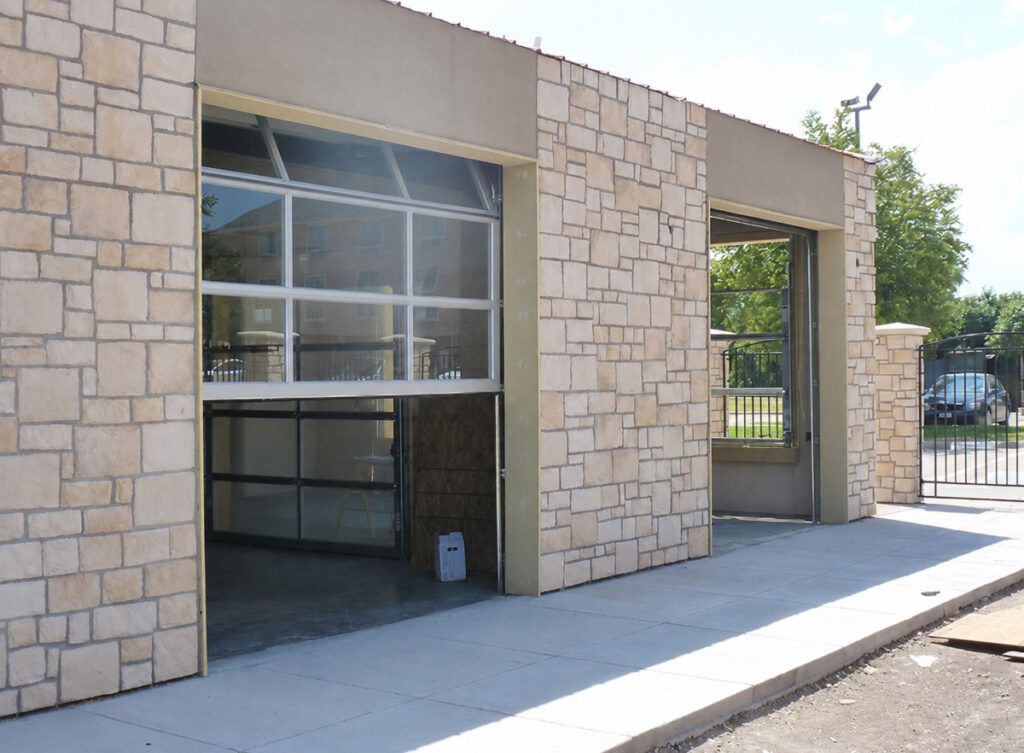
Why Commercial Garage Door Problems Can Become Security Risks
A commercial garage door often serves two important purposes at once. It provides access for employees, vehicles, deliveries, and equipment while also acting as a physical barrier between valuable business assets and the outside world.
When that barrier fails, a business may face security, safety, and operational problems simultaneously. The exact level of risk depends on the type of failure, but a garage door that cannot close or lock should be treated as a priority.
How Does a Broken Garage Door Make a Business More Vulnerable?
A garage door that remains partially or completely open creates a potential point of unauthorized access. This can be especially concerning after business hours when fewer employees are present to notice suspicious activity.
A compromised door may expose:
- Company vehicles
- Tools and machinery
- Inventory and merchandise
- Customer property
- Storage areas
- Interior doors leading to other parts of the building
Even if a business has cameras, alarms, or other security systems, maintaining secure physical entry points remains an important part of a layered security strategy. A visibly damaged door can also signal that a building’s perimeter is not fully secured.
If a commercial garage door will not close, businesses should avoid leaving the opening unattended whenever possible and arrange for professional garage door repair promptly.
Can a Damaged Garage Door Put Employees at Risk?
Yes. A malfunctioning overhead door can create serious struck-by, crushing, or entrapment hazards in addition to security concerns. Problems involving cables, springs, tracks, sensors, or other components can make the movement of a heavy door unpredictable.
The Occupational Safety and Health Administration (OSHA) has documented workplace incidents involving overhead doors. In one OSHA case, employees using powered overhead steel doors were exposed to entrapment and struck-by hazards because the doors lacked appropriate safety devices.
OSHA has also documented a 2023 fatal workplace incident in which an overhead bay door recoiled from an open position and struck an employee.
These incidents demonstrate why a malfunctioning commercial door should never be treated as only an inconvenience. Employees should not attempt to force, dismantle, or repair a door when springs, cables, tracks, or other high-tension components may be involved.
Which Garage Door Problems Need Immediate Attention?
Any failure that prevents a commercial garage door from closing securely or operating safely deserves prompt attention. Some problems can make the building vulnerable, while others can create dangerous mechanical conditions.
Warning signs include:
- The door will not close completely. Even a gap can compromise the security of the building.
- A spring has broken. Springs counterbalance significant door weight and should be serviced by trained professionals.
- A cable is loose, frayed, or broken. Cable failures can affect door balance and movement.
- The door has come off its tracks. Continuing to operate an off-track door may cause additional damage or unsafe movement.
- The opener operates unpredictably. Unexpected reversing, stopping, or movement can indicate a mechanical or electrical problem.
- Safety sensors are not working correctly. Malfunctioning safety systems should not be ignored.
- Panels, locks, or hardware are visibly damaged. Physical damage can weaken the security of the entry point.
The Door & Access Systems Manufacturers Association (DASMA) advises that worn or frayed cables can be in danger of breaking and should be replaced only by a trained technician because of the high spring tension involved. DASMA also recommends professional inspection of older springs and notes that a door that does not move smoothly can indicate an unsafe condition.
What Should a Business Do When Its Garage Door Breaks?
The first priority is to secure the area and prevent employees, customers, or vehicles from interacting with an unsafe door. Do not repeatedly operate the opener or attempt a DIY repair if the door is crooked, unusually heavy, off track, or has a damaged spring or cable.
Business owners and facility managers can take these steps:
- Stop using the affected door.
- Keep employees and customers away from the opening and moving components.
- Use another secure entrance or loading area when available.
- Protect exposed inventory and equipment.
- Check the surrounding area for visible damage without touching springs or cables.
- Contact a qualified garage door technician for inspection and repair.
DASMA recommends regular visual checks for wear or damage and warns against loosening or adjusting springs, cables, bottom brackets, or related high-tension components without proper training.
A professional technician can inspect the entire system instead of simply addressing the most obvious symptom. That can help identify related wear in rollers, hinges, tracks, springs, cables, openers, and safety components.
Can Preventive Maintenance Reduce Security Problems?
Routine inspection and maintenance can help businesses identify worn components before they develop into unexpected failures. While no maintenance program can guarantee that a door will never break, catching deteriorating components early can reduce the likelihood of sudden downtime.
DASMA recommends monthly safety checks and maintenance for garage door systems, along with an annual visit from a trained door systems technician to help keep the system operating safely and smoothly.
Businesses with heavily used commercial doors may need inspections based on their equipment, usage levels, manufacturer recommendations, and operating environment.
Facility managers should pay attention to changes such as:
- Slower or uneven movement
- Grinding, scraping, or unusual noises
- Frayed cables
- Visible spring damage
- Bent or misaligned tracks
- Delayed opener response
- Door sections that sag or appear damaged
- Increasing difficulty opening or closing the door
Addressing these warning signs early can help protect building security while reducing the risk of a more disruptive failure later.
Frequently Asked Questions About Broken Commercial Garage Doors
Is a garage door that will not close considered an emergency?
Yes, particularly when the open door exposes inventory, equipment, vehicles, or interior areas of the business. A commercial garage door that cannot secure the building should be inspected and repaired as soon as possible.
Can employees manually close a broken commercial garage door?
Not always. If a spring, cable, track, or other structural component is damaged, attempting to move the door manually can be dangerous. Keep people away from the door and contact a trained garage door professional.
Should I repair a commercial garage door myself?
Repairs involving springs, cables, bottom brackets, or other high-tension components should be handled by trained technicians. DASMA specifically warns that cables and spring-related components can present serious hazards when improperly handled.
How can businesses prevent unexpected garage door failures?
Regular inspections, preventive maintenance, and timely repairs are the best approach. Pay attention to unusual noises, uneven movement, damaged hardware, worn cables, and other changes instead of waiting until the door stops working completely.
Protect Your Business With Professional Garage Door Repair
Your commercial garage door is more than an entrance. It is part of the physical security and daily operation of your business. When it breaks, delaying repairs can leave valuable property exposed, disrupt workflows, and potentially create hazards for employees and visitors.
Garage Door Technik provides professional solutions designed to get damaged garage doors operating safely and reliably again. Whether you are dealing with a door that will not close, a broken spring, damaged cables, an opener malfunction, or another urgent problem, getting expert help quickly can help restore security and minimize disruption.
Ready to restore your business security? Contact Garage Door Technik today for professional garage door repair.