
How Can You Extend the Life of Your Garage Door with Simple Maintenance?
The best way to extend the life of your garage door is to perform regular maintenance, keep moving parts lubricated, inspect for wear, test the door’s balance, and schedule professional tune-ups. These simple steps reduce strain on the system, prevent premature failures, and help your garage door operate safely and reliably for years.
Your garage door is one of the hardest-working systems in your home, often opening and closing several times every day. Like any mechanical system, it performs best when it receives routine care. At Garage Door Technik, we’ve helped homeowners protect their garage doors through expert repairs, maintenance, and honest recommendations that prevent small issues from becoming expensive emergencies. Whether your door is only a few years old or has been serving your family for decades, following a few preventative maintenance habits can significantly improve its performance, safety, and lifespan. Our goal is to help homeowners get the most value from their garage door investment while avoiding unexpected breakdowns.
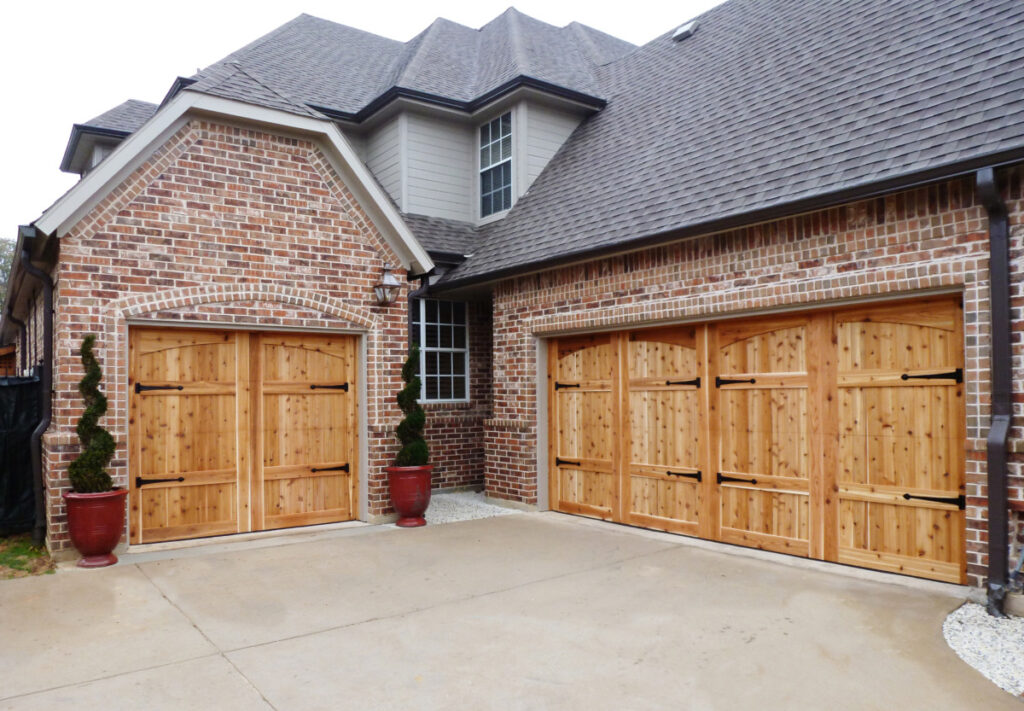
Garage Door Maintenance Tips That Help Your Door Last Longer
Routine maintenance is the single most effective way to maximize your garage door’s lifespan. According to the Door & Access Systems Manufacturers Association (DASMA), homeowners should perform monthly visual inspections and schedule annual professional service to keep garage doors operating safely and smoothly.
What Is the Most Important Maintenance Task for a Garage Door?
Keeping moving parts properly lubricated is one of the easiest and most effective maintenance tasks.
Garage door rollers, hinges, springs, and bearings experience constant friction during operation. Applying a garage door-specific lubricant every few months helps reduce wear and minimizes unnecessary stress on the opener.
Keep these tips in mind:
- Use a lubricant designed specifically for garage doors.
- Lubricate hinges, rollers, bearings, and spring coils.
- Avoid using heavy grease or household oils that attract dirt.
- Wipe away excess lubricant after application.
Proper lubrication also helps eliminate squeaks and reduces resistance that can shorten the lifespan of your system.
How Often Should You Inspect Your Garage Door?
A quick visual inspection once a month can help catch problems before they become expensive repairs.
Look for signs such as:
- Frayed or damaged lift cables
- Rust or corrosion on springs
- Bent tracks
- Loose bolts or hinges
- Worn rollers
- Cracked weather seals
If you notice damaged springs or cables, do not attempt to repair them yourself. These components are under extreme tension and should always be serviced by trained professionals. DASMA specifically recommends professional replacement of worn springs and cables because of the significant safety risks involved.
Why Does Garage Door Balance Matter?
A properly balanced garage door places less strain on the opener and extends the life of every moving component.
An unbalanced door forces the opener to work harder every time it opens or closes, leading to premature wear on motors, gears, rollers, and springs.
A simple balance test involves:
- Disconnect the automatic opener using the emergency release.
- Lift the door halfway by hand.
- Carefully release it.
If the door stays in place, it is likely balanced. If it quickly falls or rises, the spring system may need adjustment by a professional technician.
Should You Tighten Loose Garage Door Hardware?
Yes. Garage doors vibrate every time they operate, which gradually loosens nuts, bolts, brackets, and hinges.
Periodically checking visible hardware can prevent larger mechanical issues.
During your inspection:
- Tighten loose roller brackets (except those attached to spring systems).
- Check hinge fasteners.
- Inspect track mounting brackets.
- Ensure opener mounting hardware remains secure.
Never adjust bottom brackets or spring hardware yourself. These parts are connected to high-tension springs and require specialized tools and training.
Is Professional Garage Door Maintenance Really Necessary?
Absolutely. Even homeowners who perform regular maintenance benefit from an annual professional inspection.
A trained technician can identify wear that is difficult to detect without experience, including:
- Weakening torsion springs
- Roller bearing wear
- Cable deterioration
- Opener force adjustments
- Track alignment issues
- Safety sensor testing
According to DASMA, annual service by a qualified garage door technician helps keep garage doors operating safely while extending the life of the entire system.
Professional maintenance often costs far less than replacing a failed opener, broken springs, or damaged panels caused by neglected wear.
Common Mistakes That Shorten Garage Door Life
Many homeowners unintentionally reduce the lifespan of their garage door by making avoidable mistakes.
Common examples include:
- Ignoring unusual noises
- Delaying small repairs
- Using the opener when the door feels heavy
- Skipping lubrication for years
- Attempting dangerous spring repairs
- Continuing to operate a damaged door
Addressing small problems early almost always results in lower repair costs and less downtime.
Frequently Asked Questions
How long should a garage door last?
A quality garage door can last 15 to 30 years or longer when properly maintained. Lifespan depends on usage, climate, installation quality, and regular maintenance.
How often should garage door maintenance be performed?
Homeowners should visually inspect their garage door monthly, lubricate moving parts every few months, and schedule professional maintenance at least once a year for optimal performance.
Can regular maintenance prevent garage door repairs?
Regular maintenance cannot eliminate every repair, but it significantly reduces the likelihood of unexpected breakdowns by identifying worn components before they fail.
What should never be repaired by a homeowner?
Garage door springs, lift cables, and bottom brackets should never be repaired or adjusted by homeowners because they are under high tension and can cause serious injury if handled improperly.
Ready to Keep Your Garage Door Operating Like New?
Preventative maintenance is the easiest way to protect your investment, improve safety, and avoid unexpected repair bills. If your garage door is making unusual noises, operating unevenly, or it’s simply due for a professional inspection, the experienced team at Garage Door Technik is here to help. Contact us today to schedule expert garage door maintenance and keep your system running smoothly for years to come.